
Childproofing a Grandparent’s House for Visits
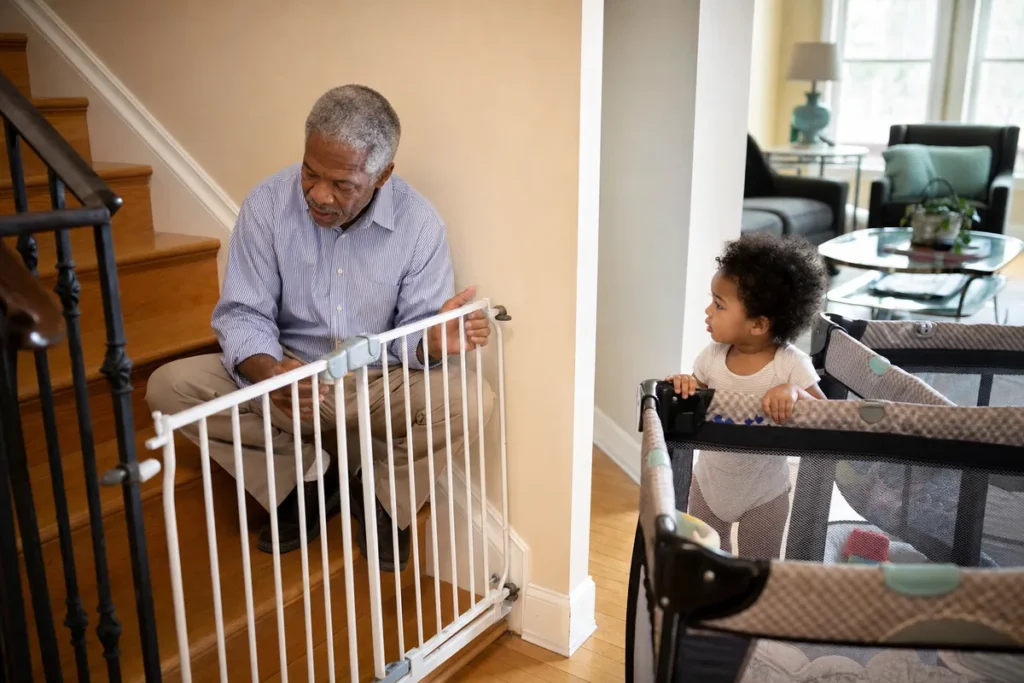
A grandparent’s home is full of love and, often, hazards a young child’s own house left behind years ago. The place was childproofed for a different generation, if at all, and the risks that remain are easy to miss because they blend into a familiar room.
The goal is not to strip a home bare before a visit. A short, targeted pass through the highest-risk spots keeps a weekend safe while letting grandparents keep the house they enjoy.
Medications come first
The single biggest hazard in most grandparents’ homes is medication. Older adults often take several prescriptions, keep them within easy reach on a counter or nightstand, and use weekly pill organizers that a child can open in seconds.
Before a visit, move all medicines, including vitamins and supplements, to a high, latched cabinet a child cannot reach or climb to. Pill organizers deserve special attention, since they usually lack the child-resistant caps that pharmacy bottles have.
The same goes for a visitor’s purse or overnight bag, which frequently holds loose pills. Keeping bags up and out of reach protects against the medication a host never thinks about.
Stairs and fall risks
Homes built for adults rarely have safety gates, and open staircases are a leading fall risk for crawling and toddling children. A single unguarded flight can turn a moment of distraction into an emergency.
A pair of pressure-mounted or hardware-mounted gates at the top and bottom of stairs solves most of it for a visit. Where gates are impractical, keeping the door to a staircase closed and a child within arm’s reach during play is the fallback.
Fall risks extend beyond stairs. Wobbly bookcases, tall dressers, and heavy televisions on stands can tip if a child pulls or climbs, so anchoring the largest pieces, or steering play to a safer room, is worth the effort.
Old equipment and heirlooms
Cribs, high chairs, and toys saved from decades past carry hidden risks. Older cribs may have drop sides or wide slats that do not meet current safety standards, and vintage painted toys or furniture can contain lead paint.
For a sleeping baby, a portable play yard the family brings along is safer than a decades-old crib. If grandparents want a permanent setup, choosing current-standard equipment is a kinder gift than restoring an heirloom that cannot be made safe.
Small collectibles, coins, button batteries, and magnets are choking and swallowing hazards that adult-only homes leave out in the open. A quick sweep of low shelves and coffee tables clears the worst of them.
The rest of the house
A few more spots reward a short look before a young child arrives. None takes long, and together they cover the everyday corners of an older home.
- Kitchen and bath cleaners stored under sinks should move up high or behind a latch for the visit.
- Water heater temperature set high can scald; running taps to test warmth before a bath is a simple check.
- Cords and blinds with long pull cords are a strangulation risk, so tie them up out of reach.
- Firearms, if any are in the home, belong locked and stored separately from ammunition, well out of a child’s reach.
- Outdoor spaces like pools, ponds, and steep steps need a plan for constant supervision.
For a fuller room-by-room pass, the home safety checklist for young children works just as well in a grandparent’s house as in the child’s own.
Day visits versus overnights
How far to go depends on how long a child will stay. A short afternoon visit with a parent present calls for far less than an overnight where a child sleeps and wakes in the home unsupervised.
For a day visit, securing medications, blocking stairs, and clearing small objects from low surfaces covers the essentials. For an overnight, add a safe sleep setup and think through what a child might reach in the early morning before adults are up.
Sleep is the part parents most often overlook. A play yard the family brings, placed away from cords and heavy furniture, gives an infant a familiar, safe spot and spares grandparents the cost of buying gear for occasional visits.
Having the conversation gently
The hardest part is often not the latches but the talk. Grandparents can hear a childproofing request as criticism of their home or their care, so framing matters.
Leading with the child’s stage rather than the house helps: a curious toddler who opens everything gives a neutral reason to move the pill bottles for a while. Offering to do the work together, and to put things back after, keeps it collaborative rather than corrective.
It also helps to bring the gear. Arriving with outlet covers, a couple of gates, and a play yard signals partnership and takes the burden off the hosts entirely.
Frequently asked questions
What is the biggest hazard at a grandparent’s house?
Medication is usually the top risk, because older adults often keep several prescriptions within reach and use pill organizers that lack child-resistant caps. Move all medicines high and latched before a visit.
Do I need to childproof the whole house for one visit?
No. A targeted pass through the highest-risk spots, medications, stairs, old equipment, and cleaners, covers most of the danger without stripping the home bare.
Is an old family crib safe to use?
Older cribs may have drop sides or wide slats that do not meet current standards. A portable play yard the family brings is a safer choice for a visiting baby.
How do I bring this up without offending grandparents?
Frame it around the child’s curious stage rather than the house, offer to do the work together and restore it afterward, and bring the safety gear along yourself.
What about pill organizers specifically?
Weekly organizers are a common hazard because they open easily and hold loose pills. Store them as carefully as any medicine, high up and out of a child’s reach during a visit.
Where to go next
Run the same steps through every room with the home safety checklist for young children, which pairs naturally with a weekend childproofing pass at a grandparent’s home.