
Youth Mentoring Programs in Oklahoma: A Guide
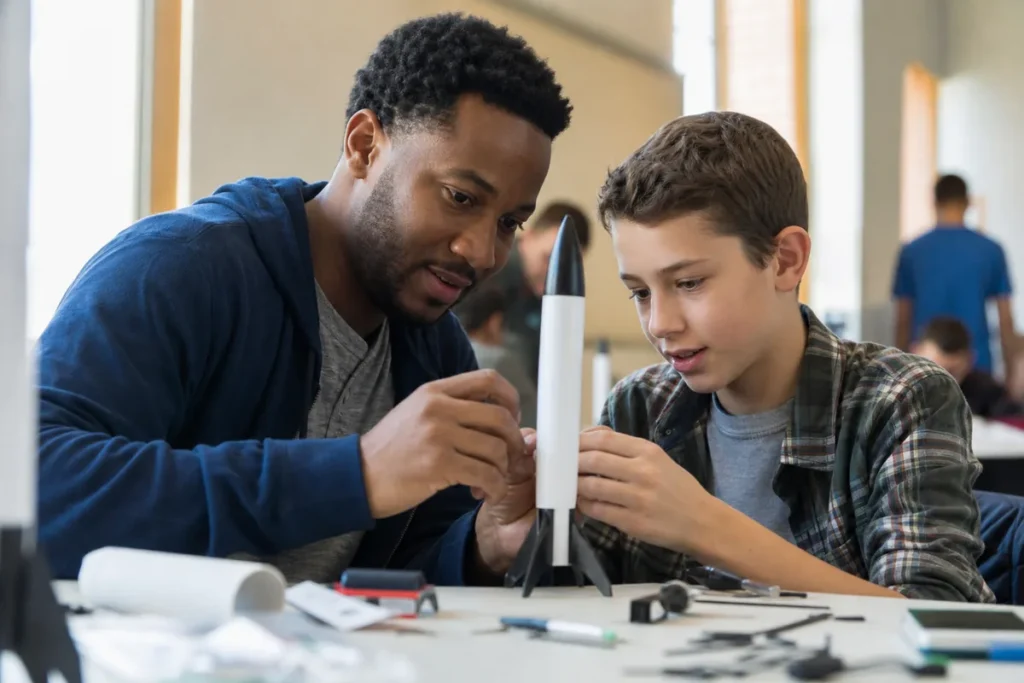
A caring adult outside the family can change the arc of a child’s year. Mentoring gives young people a steady, encouraging presence to talk to, learn from, and lean on, and Oklahoma has several established programs that build those relationships.
The options range from one-to-one matches to club settings where mentoring happens alongside activities. This guide maps the main choices, what mentoring actually does, and how families enroll a child.
What mentoring does for a child
Mentoring works because it is consistent and personal. A mentor shows up regularly, listens, and models steady adult behavior, which helps a young person build confidence and a sense of what is possible.
Good programs screen and train their mentors and keep supporting each match over time, rather than making an introduction and stepping away. That structure is what separates a lasting mentoring relationship from a one-off activity.
A mentor is not a substitute parent, a tutor on demand, or a fix for a crisis. The role is simpler and, over time, powerful: a dependable extra adult in a child’s corner who widens their sense of what they can do.
Signs a child might benefit
Mentoring is not only for children facing hardship. Any young person can gain from a trusted adult beyond the family, though a few situations make the case especially strong.
A child navigating a big change, a family with a single parent stretched thin, or a teen who lights up around a particular interest can all thrive with the right match. If a child seems to crave more adult attention than a busy household can give, mentoring is a healthy way to add it.
One-to-one matches
The most direct form of mentoring pairs a child with a single adult volunteer. Big Brothers Big Sisters of Oklahoma creates and supports these one-to-one matches, operating from five regional offices in Oklahoma City, Tulsa, Norman, Stillwater, and Bartlesville.
Families enroll a child through the Enroll section of the organization’s website or by calling statewide enrollment at (918) 744-4400. The program handles the screening and matching, then stays involved to support the relationship as it grows.
Club-based mentoring
Other programs weave mentoring into a club a child attends after school or over the summer. The setting is more group-oriented, but caring, trained staff still build relationships with each young person.
The Boys and Girls Clubs of Oklahoma County offer academic enrichment, tutoring, college and career prep, sports, arts, and mentoring in supervised spaces. In the Tulsa area, the Boys and Girls Clubs of Metro Tulsa focus on academic success, health, character and leadership, and workforce readiness.
In Tulsa, Camp Fire Green Country is a century-old organization that reaches around 1,000 kids and teens each year through after-school clubs at more than 20 sites, plus summer camp, using a research-based youth development curriculum.
Mentoring through learning and service
Some of the strongest mentoring in Oklahoma happens through hands-on programs led by adult and teen leaders. Oklahoma 4-H, delivered through OSU Extension offices in all 77 counties, gives young people leadership, agriculture, STEM, and life-skills learning through hundreds of local clubs.
4-H serves youth ages eight and in third grade through twelfth grade, with a non-competitive Cloverbuds track for ages five to eight. Families join by contacting the county OSU Extension office to find a club, which makes it one of the most widely available options statewide.
How enrollment usually works
The steps look similar across programs, even when the settings differ. Most begin with a short inquiry, followed by a conversation about what the child needs and which program or match fits.
- Reach out first. Use the program’s enroll or join page, or call the office listed on its resource page.
- Share some background. Programs ask about a child’s age, interests, and what a family hopes mentoring will offer.
- Expect screening for volunteers. Reputable programs vet and train mentors, which protects children and takes a little time.
- Plan for a match or placement. One-to-one programs arrange a match; clubs enroll a child into ongoing programming.
Cost varies, and several programs keep fees low or offer assistance. The program’s own site lists current membership details and any support available.
Choosing the right fit
The best program depends on the child. A young person who would flourish with one steady adult may do best with a one-to-one match, while a child who thrives around peers may prefer a club.
Location and schedule matter too, since consistency is the whole point of mentoring. Picking a program a family can reach reliably each week does more good than choosing the one that sounds most impressive on paper.
Supporting the relationship at home
A match or club membership works best when a family backs it up. That does not mean hovering; it means making the logistics easy and speaking about the mentor or program with warmth.
Protecting the scheduled time, handling transportation reliably, and showing genuine interest in what a child did all signal that the relationship matters. Children take cues from parents about which commitments are worth keeping.
It also helps to give the relationship room to be the child’s own. A mentor who becomes a trusted confidant is doing exactly what the program intends, and a parent’s steady, low-key support is what lets that trust build.
Frequently asked questions
What age does mentoring start?
It varies by program. Big Brothers Big Sisters and the clubs serve school-age youth, while 4-H starts at age eight and in third grade, with Cloverbuds for ages five to eight. Check each program’s current details.
Does mentoring cost money?
Costs differ, and several programs keep fees low or offer assistance. Each program’s website and resource page list current membership details and any support available.
How are mentors screened?
Reputable programs vet and train adult volunteers before matching them with a child, which is part of why enrollment takes a little time. Ask a specific program about its screening process.
What is the difference between a match and a club?
A one-to-one match pairs a child with a single adult mentor, as Big Brothers Big Sisters does. A club offers mentoring within group programming, as the Boys and Girls Clubs and Camp Fire do.
Is mentoring available outside the metros?
Yes. Oklahoma 4-H operates through OSU Extension offices in all 77 counties, making it one of the most widely available options across rural and urban areas alike.
Where to go next
Explore a one-to-one match through Big Brothers Big Sisters of Oklahoma, a statewide club through Oklahoma 4-H, or metro clubs at the Boys and Girls Clubs of Oklahoma County and Camp Fire Green Country.