
Healthy Sleep Routines for School-Age Kids
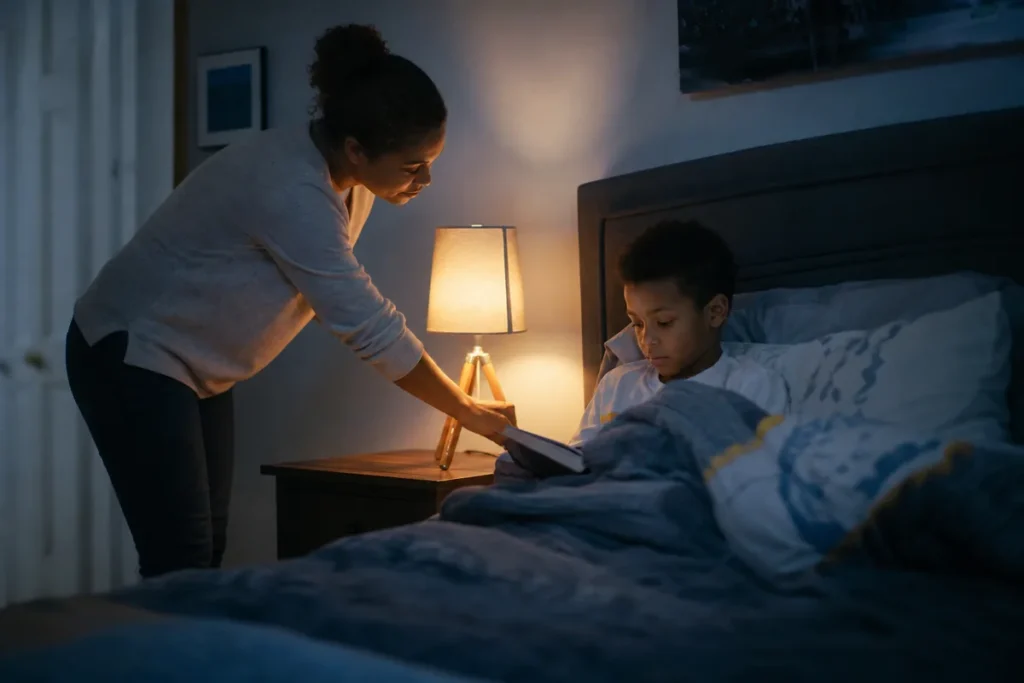
Sleep does quiet, heavy lifting for a growing child, shaping mood, attention, learning, and health. Yet busy evenings, homework, and screens make a good night’s rest one of the harder things for families to protect.
The good news is that sleep responds well to routine. A predictable wind-down and a consistent schedule do more for most children than any single trick.
How much sleep school-age kids need
Sleep needs shift with age, and the ranges below reflect widely used pediatric guidance. They count total sleep over a full day, including any naps for younger children.
- Toddlers, ages 1 to 2, need about 11 to 14 hours, including naps.
- Preschoolers, ages 3 to 5, need about 10 to 13 hours, including naps.
- School-age children, ages 6 to 12, need about 9 to 12 hours.
- Teenagers, ages 13 to 18, need about 8 to 10 hours.
Individual children vary within these ranges, so behavior is a useful guide. A child who wakes reasonably rested, holds steady through the day, and is not a struggle to rouse most mornings is likely getting enough.
Chronic shortfalls tend to show up as irritability, trouble focusing, or hyperactivity rather than obvious drowsiness. Working backward from a needed wake-up time to set a realistic bedtime is a practical way to hit the target.
Building an evening routine
A consistent, calming wind-down signals the body that sleep is coming. The same sequence each night, even a short one, does much of the work.
- Keep bedtime and wake time steady, including on weekends, so the body clock stays regular.
- Start the wind-down 30 to 60 minutes before lights out, dimming lights and lowering the household energy.
- Follow a predictable order, such as a bath, teeth, pajamas, and a story or quiet talk.
- Keep the bedroom cool, dark, and quiet, and reserve the bed for sleeping rather than play or homework.
- Avoid heavy meals, caffeine, and rough-and-tumble play close to bedtime.
Consistency is what turns a routine into a habit. After a few weeks the sequence itself starts to bring on sleepiness, which eases the nightly negotiation.
Screens and sleep
Screens are one of the biggest modern threats to children’s sleep, on two fronts. The bright, blue-rich light from devices can suppress the natural rise in melatonin that helps the body feel sleepy.
The content is the other problem. Games, videos, and social media are engaging by design, and that mental stimulation makes it harder for a child to settle even after the screen is off.
A practical step is a screen curfew, powering down devices at least 30 to 60 minutes before bed and charging them outside the bedroom overnight. Keeping screens out of the bedroom removes the late-night temptation entirely, and it fits within broader screen time guidelines by age.
School-morning logistics
A calm morning starts the night before. Preparing ahead removes the scramble that leaves both children and parents frazzled before the day begins.
- Lay out clothes, pack bags, and set out anything needed for school the evening before.
- Wake a child at the same time each day, using gentle light and a consistent alarm.
- Build in enough time for a real breakfast, which supports focus and mood through the morning.
- Keep the morning routine as predictable as the bedtime one, so each step is automatic.
Protecting the wake time is as important as the bedtime. Sleeping in far later on weekends can shift the body clock and make Monday mornings genuinely harder.
Common sleep disruptions
Even with a solid routine, sleep hits bumps. Nightmares, occasional resistance, and disruptions around travel, illness, or stress are all common and usually pass.
Returning calmly to the usual routine after a rough patch is the reliable fix. A brief, reassuring response to a night waking, followed by the expectation of sleep, tends to work better than long negotiations or a move to the parents’ bed.
Bigger changes, like starting a new grade, family stress, or a schedule shift, often ripple into sleep for a while. Keeping the anchors of bedtime and wake time steady helps a child settle back.
When to talk with the pediatrician
Some sleep problems deserve a professional look. Talk with a pediatrician about loud, regular snoring or pauses in breathing, since these can signal a treatable condition that fragments sleep.
Other reasons to check in include ongoing trouble falling or staying asleep despite a good routine, extreme daytime sleepiness, or frequent night terrors or sleepwalking. Persistent sleep struggles that affect mood, learning, or behavior are worth raising rather than waiting out.
Frequently asked questions
How much sleep does my school-age child really need?
Children ages 6 to 12 generally need about 9 to 12 hours a night, and teens need about 8 to 10. Ranges vary by child, so a rested, steady mood and easy morning waking are good signs of enough sleep.
Why does screen time before bed matter so much?
Device light can delay the body’s natural sleepiness, and engaging content keeps the mind active. Powering screens down at least 30 to 60 minutes before bed, and keeping them out of the bedroom, helps a child settle.
Should bedtime be the same on weekends?
Keeping bedtime and wake time roughly consistent, even on weekends, keeps the body clock steady. Sleeping in far later can shift the clock and make school mornings harder to manage.
My child fights bedtime every night. What helps?
A predictable, calming routine in the same order each night reduces the nightly battle, since the sequence itself begins to cue sleep. Consistent limits and an early enough start also help avoid an overtired, wired child.
When should I talk to the doctor about my child’s sleep?
Raise loud regular snoring, pauses in breathing, ongoing difficulty falling or staying asleep, extreme daytime sleepiness, or frequent night terrors. Persistent problems that affect mood or learning are worth a conversation.
Where to go next
Sleep sits at the center of daily family life, and it connects to screen time guidelines by age, calmer days with sibling rivalry, and steadier meals when tackling picky eating in toddlers.