
Sibling Rivalry: What Actually Works
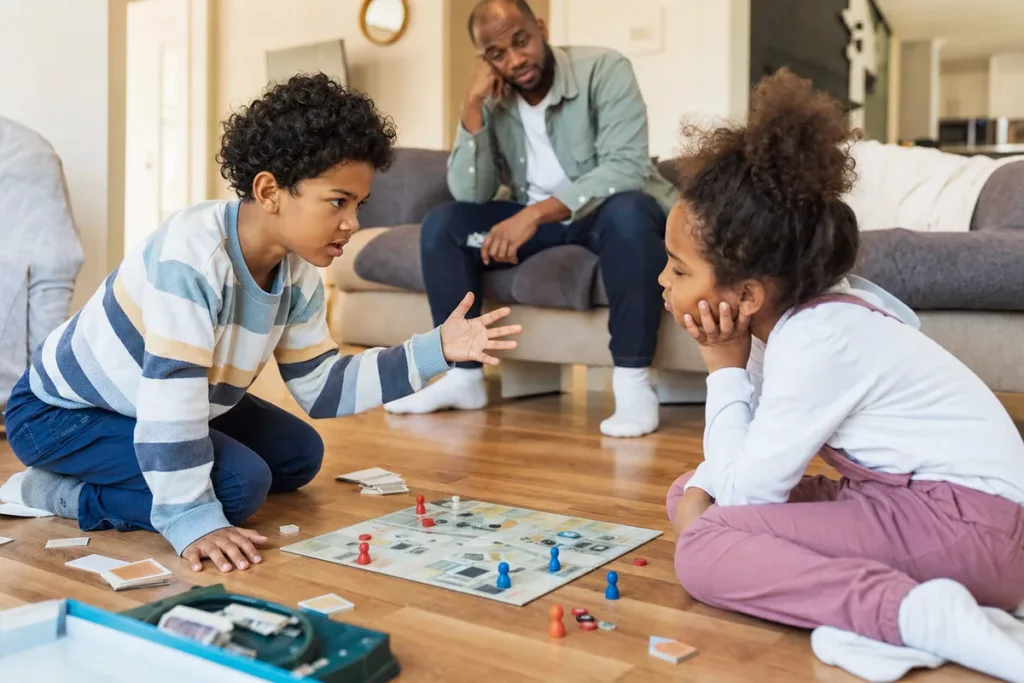
Bickering, tattling, and the occasional blowup over who sat where are part of life with more than one child. For many parents the constant refereeing is more exhausting than any single argument.
Some conflict between siblings is normal, and a fair amount of it is even useful. The goal is not a house with zero squabbles but children who are slowly learning to handle disagreement.
Why siblings fight
Siblings compete for the things that matter most to a child: a parent’s attention, time, and approval. Sharing a home, and often a room and toys, gives endless daily chances for friction.
Age and temperament shape the pattern. A young child who cannot yet share, a school-age child focused on fairness, and a teenager craving privacy all bring different needs to the same household.
Conflict also serves a purpose. Working out disputes with a sibling is early practice for negotiation, compromise, standing up for oneself, and repairing a relationship after a fight.
Realistic expectations
Expecting siblings to get along all the time sets everyone up for frustration. Even close siblings argue, and the presence of conflict says little about the strength of the bond.
Rivalry often spikes around predictable moments: a new baby, a developmental leap, or ordinary stressors like hunger and fatigue. Understanding the different stages, from the preschool years through the shifts of teen brain development, helps a parent read behavior in context rather than as defiance.
The aim is a downward trend in the intensity and cruelty of conflict over time, not its complete disappearance. Steady coaching, not a conflict-free house, is the realistic target.
Refereeing versus coaching
Jumping in to settle every dispute, deciding who is right, and handing down verdicts is refereeing. It stops the noise for a moment but teaches children to run to a parent instead of working things out.
Coaching takes a different stance. Rather than picking a winner, a parent helps children name the problem, hear each other, and find a solution, which builds skills that outlast the current fight.
- Step in fast for anything physical or cruel, since safety is never negotiable.
- For ordinary squabbles, pause before intervening and give children a chance to work it out.
- When stepping in, describe the problem without taking sides, such as noting that two children want the same toy.
- Acknowledge each child’s feelings, then invite them to suggest solutions rather than imposing one.
- Resist the urge to investigate who started it, a search that usually rewards the better arguer.
Over time, coaching shifts more of the work onto the children. The long-term payoff is siblings who can lower the heat themselves.
Fairness is not sameness
Many parents chase strict equality, measuring portions and counting gifts to keep the peace. The effort rarely satisfies anyone and invites children to compare every detail.
Meeting each child’s actual needs works better than treating them identically. Children of different ages fairly have different bedtimes, privileges, and responsibilities, and explaining that difference plainly helps a child accept it.
Responding to what a child needs in the moment, rather than automatically duplicating everything for a sibling, reframes fairness in a healthier way. A child who hears that everyone gets what they need, when they need it, learns to trust that their turn will come.
Habits that ease the tension
Everyday structure prevents many fights before they start. Small, consistent practices lower the background stress that fuels rivalry.
- Protect a little one-on-one time with each child, since individual attention reduces the competition for it.
- Avoid comparisons and labels, because casting one child as the smart one or the athletic one breeds resentment.
- Set clear, consistent house rules about hitting, name-calling, and respecting belongings.
- Notice and mention cooperation when it happens, rather than only reacting to conflict.
- Keep children fed and rested, as hunger and fatigue shorten every fuse, which is one more reason healthy sleep routines pay off across the family.
Giving siblings shared goals can shift the dynamic from rivals to teammates. A joint project, a game against the clock, or a chore they tackle together builds cooperation in a low-stakes way.
When conflict signals something more
Ordinary rivalry ebbs and flows, but a few patterns deserve attention. Talk with a pediatrician if one child is frequently hurt or genuinely fearful of a sibling, if aggression is severe or escalating, or if one child seems consistently targeted or diminished.
A sudden, sharp change in how siblings treat each other can also reflect stress, anxiety, or another concern in a child’s life. A pediatrician can help distinguish typical friction from a dynamic that needs more support.
Frequently asked questions
How much sibling fighting is normal?
Frequent minor squabbles are typical, especially among young children who are still learning to share and take turns. What matters more is a gradual drop in cruelty and intensity over time, not the absence of any conflict.
Should I always figure out who started it?
Usually not. Playing detective tends to reward the more persuasive child and keeps both running to a parent. Naming the problem and coaching a solution teaches more than assigning blame.
Do I have to treat my children exactly the same?
No. Fairness means meeting each child’s needs, which differ by age and temperament, rather than duplicating everything. Explaining why bedtimes or privileges differ usually lands better than forcing sameness.
How can I prepare an older child for a new baby?
Talk honestly about the changes ahead, involve the child in small ways, and protect some one-on-one time after the baby arrives. Expect some regression or clinginess, which is a normal response to a big change.
When should I worry about sibling conflict?
Seek guidance if one child is regularly hurt or afraid, if aggression is severe or escalating, or if one child is consistently singled out. A pediatrician can help sort normal rivalry from a pattern that needs attention.
Where to go next
Sibling dynamics shift with each stage, from the preschool years through teen brain development, and calmer days often follow steady sleep routines across the household.