
Picky Eating in Toddlers: What Actually Helps
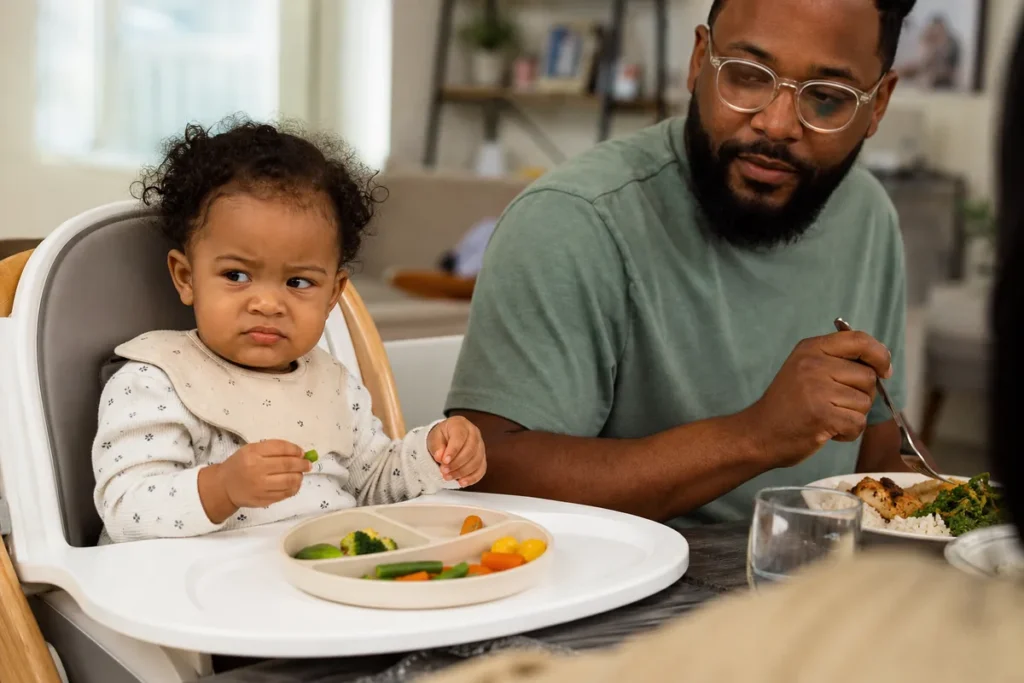
Most toddlers go through a stretch where a food they loved last week suddenly gets pushed away. Meals that used to be easy can turn into standoffs over three green beans.
This pattern is one of the most common worries parents bring to the pediatrician, and in the great majority of cases it is a normal phase rather than a problem. Knowing why picky eating happens, and which responses help, takes much of the pressure out of the dinner table.
Why toddler pickiness is normal
Picky eating tends to peak between roughly ages 1 and 4 for reasons rooted in normal development. Growth slows dramatically after the first year, so toddlers simply need less food than their fast-growing baby selves did.
Appetite also swings widely from day to day. A toddler might eat heartily one afternoon and barely touch food the next, and both days can be fine when viewed across a whole week.
There is a built-in caution toward new foods, sometimes called food neophobia, that likely once protected young children from eating something harmful. A growing drive for independence adds to it, since refusing a food is one of the few powerful choices a small child controls.
The division of responsibility
A widely recommended approach to feeding splits the job between parent and child. The parent decides what food is offered, along with when and where meals happen. The child decides whether to eat and how much.
This division lowers conflict because it ends the tug-of-war over the last few bites. When a parent stops trying to control the amount, a child’s own hunger and fullness cues get room to work.
In practice, that means serving balanced meals and snacks on a predictable schedule, then letting the toddler choose from what is on the table. It asks for patience, since a child may need to see a new food many times before tasting it, but it steadily builds a calmer relationship with eating.
What a low-pressure meal can look like
Offering at least one food the toddler usually accepts alongside newer options keeps the meal from feeling like a test. Serving small portions and letting the child ask for more protects appetite and cuts down on waste.
Eating together when possible matters too. Toddlers learn by watching, and seeing a parent enjoy a range of foods is one of the strongest and quietest lessons available.
New foods take time
Acceptance of an unfamiliar food often takes many exposures, sometimes ten or more, before a toddler is willing to taste it. Offering without pressure and without giving up after a single rejection is the key.
Presentation can lower the barrier. Serving foods separately rather than mixed, cutting them into simple shapes, or pairing a new vegetable with a familiar dip gives a cautious eater an easier entry point.
Letting a child touch, smell, or even play a little with a new food is part of learning to accept it. Interest usually comes before appetite, and that exploration is progress rather than misbehavior.
What to skip
Several common tactics feel helpful in the moment but tend to backfire over time. Recognizing them makes mealtimes smoother.
- Pressure. Coaxing, insisting on a set number of bites, or hovering usually increases resistance and can make a food less appealing.
- Bribes and rewards. Promising dessert for finishing vegetables teaches that vegetables are a chore and dessert is the prize, which raises the value of the treat.
- Short-order cooking. Making a separate meal whenever the first is refused trains a child to hold out for favorites and shrinks the range they will try.
- Feeding in front of screens. A screen at mealtime can override the fullness signals a toddler is still learning to read.
- Turning food into a battle. Strong reactions, whether frustration or heavy praise, add pressure to something that works best when it stays low-key.
Staying neutral is the theme. Offering food, then calmly accepting a child’s choice, removes the audience that can turn refusal into a game.
Practical habits that help
Small routines around meals often do more than any single strategy. They lower stress for everyone and give a toddler the structure that supports better eating.
- Keep a loose schedule of three meals and two or three snacks so the child arrives hungry but not overtired or ravenous.
- Offer water or milk between meals rather than juice, since filling up on sweet drinks blunts appetite for food.
- Involve the toddler by letting them rinse produce, stir, or choose between two vegetables, which builds interest in what lands on the plate.
- Serve new foods beside familiar ones and repeat the offer over days and weeks without comment.
- Keep meals short, around 20 to 30 minutes, and end without a fuss when the child is finished.
Consistency matters more than any one meal. A single skipped dinner rarely affects a healthy toddler, while calm, repeated exposure is what slowly widens the menu.
When to ask the pediatrician
Most picky eating needs patience rather than medical care, but a few signs are worth raising. Talk with a pediatrician if a child is losing weight or not gaining, seems to have very low energy, or is falling off their own growth curve.
Other reasons to check in include gagging or choking on textures, a diet so limited that whole food groups are missing for a long stretch, or eating that comes with pain, vomiting, or ongoing constipation. Extreme distress at every meal, or a sudden change in a child who used to eat well, is also worth a conversation.
Trusting a parent’s instinct is reasonable here. A well-child visit is the right place to sort a normal phase from something that needs a closer look, and Oklahoma families can also reach developmental support through OSDH Child Guidance services.
Frequently asked questions
Is it normal for my toddler to eat almost nothing some days?
Yes. Toddler appetite swings from day to day, and intake is better judged across a week than a single meal. A healthy, active child who is growing along their own curve is usually eating enough even after a light day.
Should I cook a separate meal if my child refuses dinner?
Generally no. Making a backup meal on demand teaches a child to hold out for favorites and narrows what they will try. Offering one familiar food alongside the family meal is a gentler middle ground.
How many times should I offer a new food before giving up?
Many more than most parents expect. Children often need to see a food ten or more times before tasting it, so calm, repeated exposure without pressure is more effective than a single push.
Do picky eaters need a vitamin supplement?
Often not, but it depends on the child’s diet and growth. A pediatrician can review what the child eats and decide whether a supplement is worth adding, so that question is best answered at a well-child visit.
Will my picky toddler grow out of it?
Most do. Pickiness usually eases as children get older, their appetite steadies, and they gain confidence with new foods. Low-pressure meals and a good example at the table help the change along.
Where to go next
Eating habits sit alongside other big changes in the preschool years, and they steady when daily rhythms do, from healthy sleep routines to early reading habits at home.