
Teen Brain Development: A Parent’s Guide
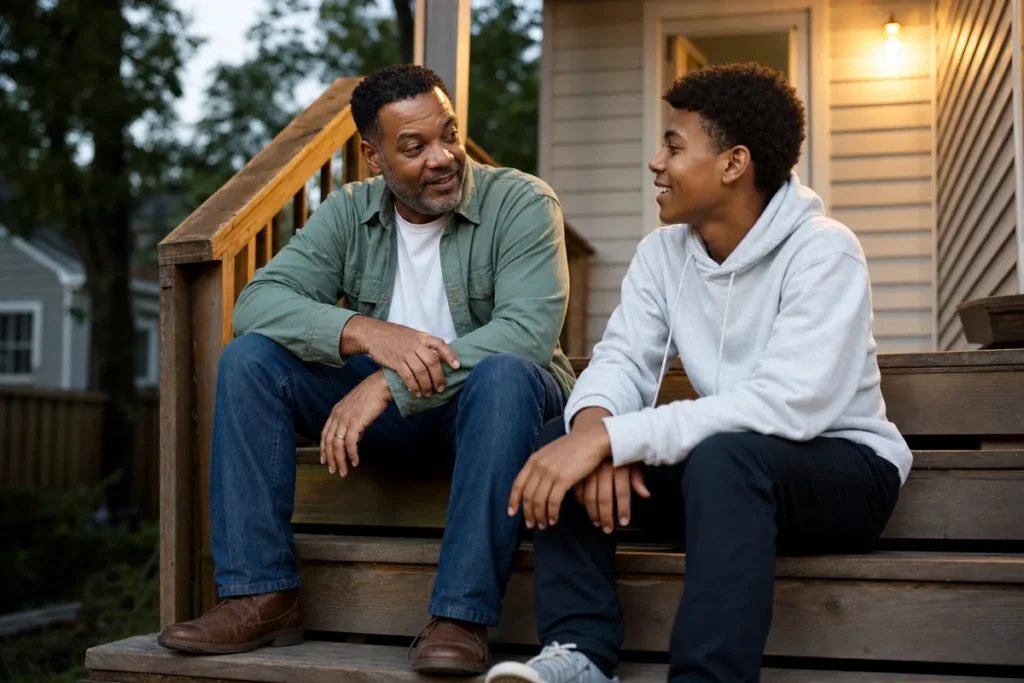
Adolescence can feel like living with a stranger who used to be a predictable kid. Much of that shift traces back to a brain that is rebuilding itself in dramatic ways.
Understanding what is happening inside the teenage brain reframes a lot of frustrating behavior. It also points to how parents can stay close during years that pull naturally toward independence.
The teen brain is under construction
The adolescent brain is not a finished adult brain waiting to be filled in. It is actively remodeling, and mainstream neuroscience places that process well into the mid-twenties.
Two systems mature on different clocks, and the gap explains a lot. The emotional and reward-seeking regions develop early and run hot, while the prefrontal cortex, which handles planning, judgment, and impulse control, matures later.
The result is a brain wired for intensity before it is fully wired for brakes. This is a normal developmental stage, not a character flaw, and framing it that way helps parents respond with patience.
Why teens take risks
Risk-taking in adolescence is not simply poor decision-making. The reward system is especially sensitive during these years, so exciting or novel experiences feel more rewarding to a teen than to an adult.
Peers amplify the effect. Research-backed consensus holds that teens take more risks when friends are present, because social acceptance is a powerful reward at this stage.
Some of this drive serves a purpose. The same wiring that pushes a teen toward risk also pushes toward independence, new experiences, and the identity-building that adolescence requires.
The parenting goal is not to erase risk but to channel it. Encouraging bold-but-safe outlets, from sports to theater to challenging projects, feeds the need for excitement without the worst dangers.
Emotions, sleep, and identity
Big emotions are part of the developmental picture. With emotional centers running strong and regulation still maturing, teens often feel things more intensely and swing more quickly than adults.
Sleep shifts biologically in adolescence, too. The body’s internal clock moves later, so many teens genuinely struggle to fall asleep early even when they want to, which makes protected sleep time and calmer mornings worth the effort.
Identity work is the central task of these years. Teens experiment with interests, styles, values, and friend groups as they figure out who they are, and some pulling away from parents is a healthy, expected part of that search.
How parents stay connected
Connection matters more than control during adolescence, and warm, involved parents remain a powerful protective force even when a teen acts uninterested. The relationship, not constant supervision, is what carries the most weight.
A few approaches tend to keep the door open:
- Listen more than lecture, and try to understand the feeling before jumping to a fix.
- Stay available during low-key moments, such as car rides or late evenings, when teens often open up.
- Set clear, consistent limits while explaining the reasoning, since teens respond better to respect than to raw authority.
- Grant expanding independence and responsibility as trust is earned.
- Keep showing warmth and interest even when it is not returned, because it still registers.
- Respect growing privacy while staying alert to real safety concerns.
Small, steady contact usually beats big talks. Ordinary shared time, a meal, a show, a walk, builds the trust that makes harder conversations possible when they are needed.
Timing and tone shape how much of this lands. A teen who feels judged tends to shut down, while one who feels heard is more likely to come back with the next problem. Choosing a calm moment for hard topics, and letting a small eye-roll slide, keeps minor conflicts from hardening into distance. Repair matters too, since even involved parents lose their temper, and a genuine apology models the very emotional skill teens are still building.
Supporting healthy development
Some everyday basics protect a developing brain. Adequate sleep, regular physical activity, and limits around substances all support this stage, since alcohol and other drugs can be especially harmful while the brain is still maturing.
Meaningful activities give the drive for reward and mastery a healthy target. Sports, arts, clubs, jobs, and volunteering build skills and identity at the same time.
Oklahoma families can find positive outlets and mentorship through programs such as Oklahoma 4-H and the Boys and Girls Clubs of Oklahoma County. Structured, supervised activities like these channel adolescent energy in ways that support long-term development.
When a teen needs more help
Normal moodiness is one thing; a lasting change is another. Warning signs worth taking seriously include ongoing sadness or hopelessness, withdrawal from friends and activities once enjoyed, major shifts in sleep or appetite, falling grades, substance use, or any talk of self-harm or suicide.
These signs call for professional support rather than waiting it out. A pediatrician, school counselor, or mental health provider can help, and reaching out early is a sign of good parenting, not failure.
If a teen is in crisis or may be thinking about suicide, help is available right now. The 988 Suicide and Crisis Lifeline offers free, confidential support around the clock; call or text 988 from anywhere in the United States to reach trained counselors. In a life-threatening emergency, call 911 or go to the nearest emergency room.
Frequently asked questions
At what age is the teen brain fully developed?
Mainstream neuroscience holds that brain development, especially in the prefrontal cortex that governs judgment and impulse control, continues into the mid-twenties. Adolescence is a long process, not something that ends at 18.
Why is my teen so impulsive and emotional?
The brain’s reward and emotional systems mature earlier than the regions that manage impulse control and planning. That gap makes intense feelings and impulsive choices common, and it is a normal developmental stage rather than a character flaw.
How much sleep do teens actually need?
Teens need substantially more sleep than most get, and their internal clocks shift later during adolescence. Protecting sleep time and easing up on very early demands when possible supports mood, learning, and health.
My teen wants nothing to do with me. Should I back off completely?
Pulling away is a normal part of building independence, but staying warmly available still matters and remains protective. Aim for respectful space plus low-pressure connection, such as shared meals or car rides, rather than withdrawing entirely.
How do I tell normal moodiness from something more serious?
Watch for duration and intensity. Lasting sadness, withdrawal from friends and activities, big changes in sleep or appetite, or any talk of self-harm point to a need for professional help. When unsure, contact a pediatrician or the 988 Lifeline.
Where to go next
Understanding earlier stages adds context; the guides to the preschool years and first-year milestones trace how development builds over time. For immediate support, the 988 Lifeline offers free, confidential crisis help, and Oklahoma teens can find positive activities through Oklahoma 4-H.